

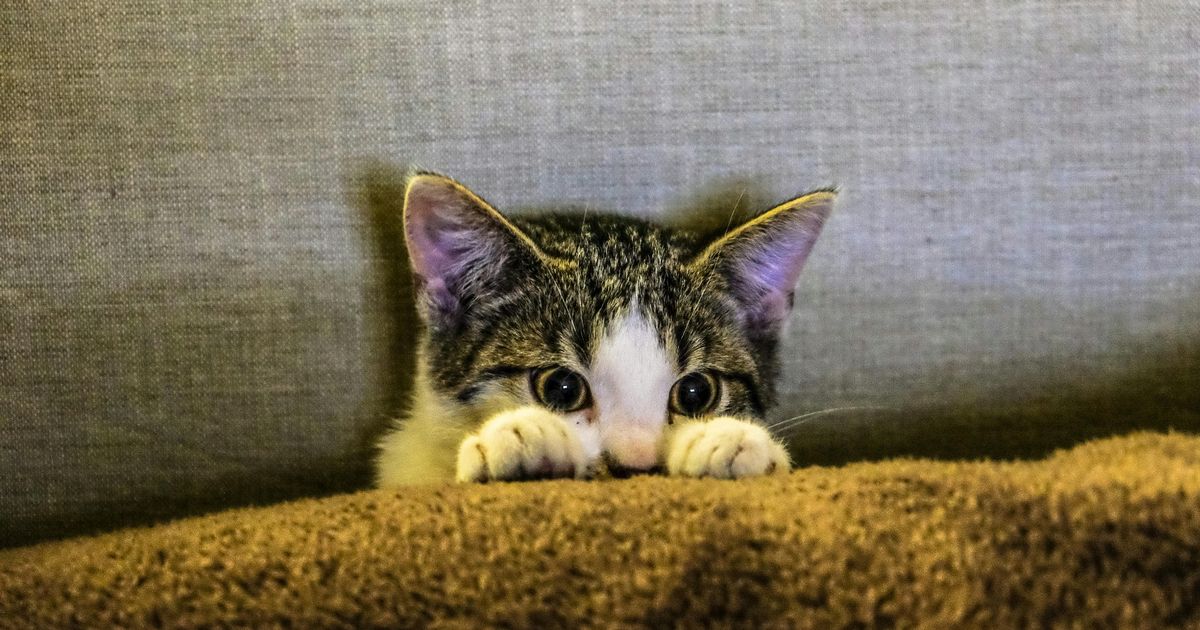
Parents across the UK are set to breathe a sigh of relief as their little darlings head back to school next week. But it turns out our furry friends might not be so happy…
Millions of moggies could be at risk of illness as families return to work and school.
Cats are creatures of habit, and they thrive on routine so household changes can cause major stress.
This can be a trigger for illness, such as painful UTIs.
“September can be a particularly stressful month for them, as children head back to school, owners go back to work, and the household suddenly feels very different,” says Jason Layton, founder of family-run natural health brand Nature’s Pet.
Prevention of urinary problems is crucial as when left untreated, they can quickly become life-threatening.
Here are Jason’s five tips to help…

- Prioritise hydration. Cats naturally have a low thirst drive. Fresh bowls of water, and moisture-rich wet food will help keep urine diluted.
- Reduce stress. Provide a calm, familiar retreat with bedding and toys, and consider pheromone diffusers or enrichment games to ease any transitions.
- Stick to a steady diet. Sudden changes can upset pets and impact urinary health. Keep meals consistent and use a high-quality, balanced diet.
- Supplement with targeted support. UTICalm for Cats from Nature’s Pet is a vet-strength natural supplement that supports bladder lining health and reduces stress.
- Spot warning signs. Straining, crying, urinating outside the litter tray, or blood in urine are all red flags. If you spot any of these signs, seek veterinary help immediately.
Bouncing bunnies
Rabbits make wonderful family pets, and can live indoors as well as outside. But they need the right living space to ensure they are happy and healthy.
Here vet charity PDSA shares its guide to making the perfect indoor home for your bunny…

- Create the ideal living space. Rabbits should have a secure space where they can eat, sleep and hide. They also need plenty of space to roam, plus toys, hay, food and water bowls.
- Bunny-proof your home. Rabbits love to nibble so ensure cables, wires, house plants and other dangerous items are out of reach. Keep them entertained with toys to chew on instead.
- Let them outside. Rabbits should have regular access to a secure outdoor area. Ensure it is in the shade and that your pet always has access to fresh water.
- Provide companionship. Rabbits are sociable creatures and should live in pairs. Make sure you spend time with them too. Avoid picking them up though, instead sit and let them come to you.
- House-train them. Bunnies are clean animals so it’s easy to litter train them. Simply pop a tray in a corner of their home and praise them when they go to the toilet in it.
- Offer a healthy diet. “Rabbits need to eat at least their body size in hay every day, plus, an adult handful of fresh greens and a tablespoon of grass pellets,” says the charity’s vet Emma Fisher.
Product of the week
Gut Health Test
This new at-home test from Pooch & Mutt will help you find out what’s going on in your dog’s gut.
It’s quick and easy to do, simply fill out a short online questionnaire and send off your pup’s stool sample. Using advanced analysis, the lab will then provide a personalised report and health score for your pooch.
The results will include tailored advice on foods to choose and a three-phase supplement plan to help rebalance, restore, and optimise the microbiome.
Available for £69.99 at poochandmutt.co.uk
By staronline@reachplc.com (Catherine Lamb)
Source link