When Sir Keir Starmer was preparing to run for the Labour leadership in 2020, his campaign director told the future prime minister what mattered to the party.
Morgan McSweeney emphasised that whatever their faction, Labour members shared certain core principles – and top of the list was a commitment to combatting poverty and defending the welfare state.
That is why any Labour politician treads carefully when looking at welfare reform.
This government, though, is not just looking at reforming welfare – it is preparing to put it at the heart of its economic agenda.
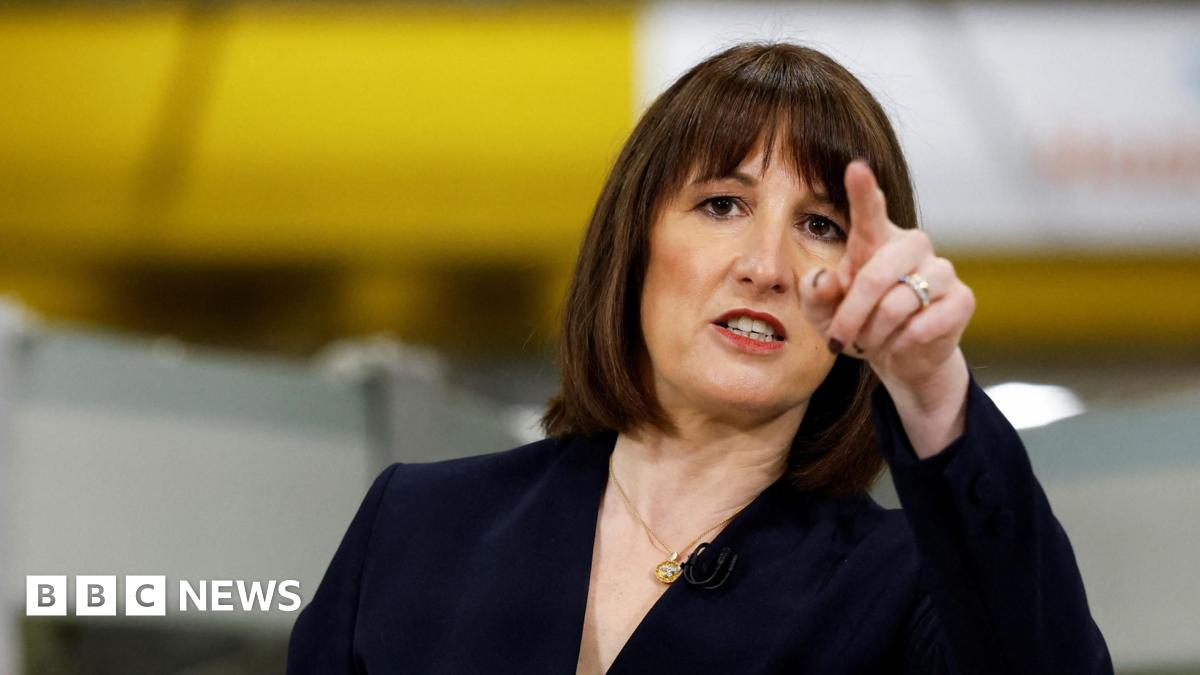
In Rachel Reeves’s big speech on growth this week, she vowed that to achieve “fundamental” reform of the welfare system, the government would look at areas that have been “ducked for too long, like the rising cost of health and disability benefits”.
What did that mean?
The question is being frantically addressed between the Treasury and the Department of Work of Pensions (DWP) right now.
Liz Kendall, the work and pensions secretary, will present a “green paper”, external – or policy proposals – on welfare reform in just over a month, designed to demonstrate how serious the government is about finding ways to get more people into work – and save money from the welfare budget.
That dual motive explains why this is being treated as such an urgent issue at the top of government.
Ministers are concerned by a situation in which the amount of people who are in receipt of certain benefits has surged. Meanwhile, the Treasury needs to ensure that it is not on course to break its own self-imposed fiscal rules.
“It’s high up the agenda for us because of the cost implications but also the broader economic problem of having so many people economically inactive,” a Treasury source said.
And in 10 Downing Street, aides say that tackling this issue would be the clearest sign yet that Sir Keir is truly serious about reforming public services.
Last year, the government spent £65bn on sickness benefits, external – a 25% increase from the year before the pandemic. That figure is forecast to increase to around £100bn before the next general election.
Some of this is the legacy of Covid. But the chancellor has made clear her view that another reason for this surge is the “perverse incentives” wired into the system.
Again and again, ministers and officials complain of a system where those on universal credit are required to display evidence they have applied for jobs, or face sanctions – but people out of work who also qualify for sickness benefits both get more money and are not necessarily required to seek work.
Ministers believe that this encourages some people to “game the system”. Some Labour advisers fear this issue is being exacerbated, especially among young people, by videos on TikTok and other platforms which explain to claimants the best ways to fill out questionnaires in order to get sickness benefits.
One option officials are examining is whether there should be – as in the past – a third path whereby some people on sickness benefits are required to seek work – but without the risk that they lose their sickness benefits.
“Lots of people tell us they’re scared to go to work in case it doesn’t work out and they then can’t go back to the safety net,” a senior government source said.
By
Source link