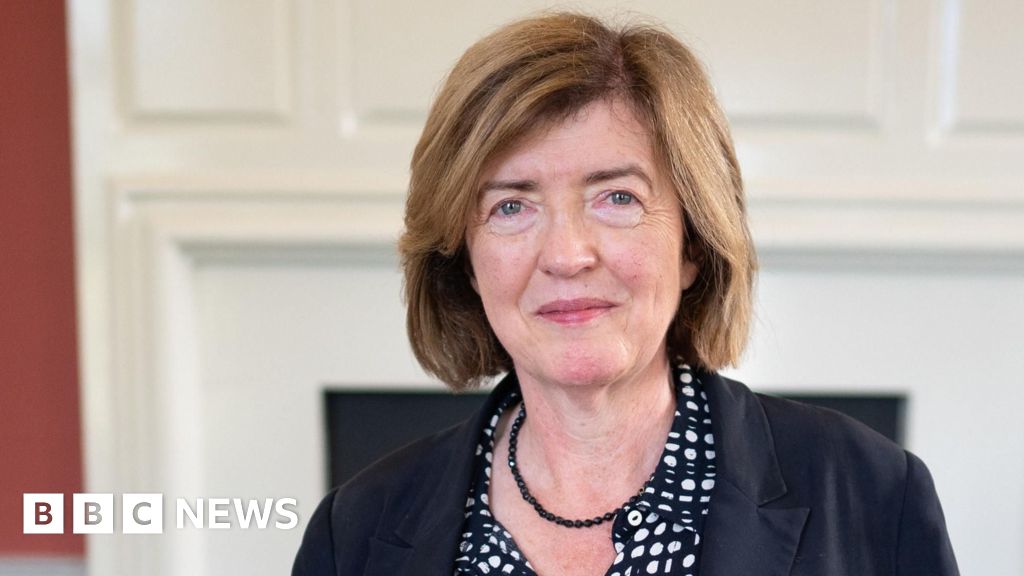
Another cabinet minister, speaking on condition of anonymity, told the BBC: “Sue has done an enormous job preparing Labour for government, and is now showing her customary drive to get Whitehall to deliver on Labour’s priorities.
“She won’t be distracted, she will carry on doing what she always does, focus on delivering the change that the British people voted for.”
Ms Gray’s salary has sparked such a row in government partly because other advisers believe they are being underpaid.
Every cabinet minister has at least two special advisers, many of whom also worked with them in opposition.
Then, they were paid by the Labour Party.
Most were expecting pay rises upon entering government only to discover they would in fact be paid less.
Many of the disappointed advisers blame Ms Gray specifically – although others insist that pay is a matter for civil servants.
The majority of those on the committee within Whitehall responsible for special advisers pay and conditions are civil servants, but both Ms Gray and Morgan McSweeney, the prime minister’s director of political strategy, are on it too.
“It’s bizarre,” one furious adviser told the BBC. “I’m working harder than ever in a more important job and they want to pay me less than the Labour Party was paying me when it was broke.”
These frustrations are not confined to junior advisers.
A source claimed that the prime minister’s director of communications, Matthew Doyle, was initially offered a salary of £110,000, significantly less than Ms Gray’s.
This was later raised to £140,000, a figure in line with several of his predecessors doing the same job.
There is no suggestion there was any anger internally over Doyle’s pay.
Many special advisers worked for weeks without being shown a proposed employment contract, meaning that by the time they discovered what their salary would be they had essentially no choice but to accept it.
Again, Ms Gray was widely blamed for the delay in formal contracts being circulated.
By
Source link