
The rate of inflation has tumbled to its lowest level since 2016 despite official figures suggesting shop prices remained relatively stable during the COVID-19 lockdown last month.
The Office for National Statistics (ONS) said the Consumer Prices Index (CPI) measure fell to 0.5% in May from an annual rate of 0.8% the previous month.
The rate had stood at 1.5% in March, when efforts to slow the spread of coronavirus began in earnest.
The easing is welcome for UK household budgets, at a time when jobs and wage growth are under significant pressure amid the economic slump resulting from the lockdown.
Figures released on Tuesday by the ONS suggested more than 600,000 people had lost their jobs during April and May despite government support schemes for both businesses and wages.
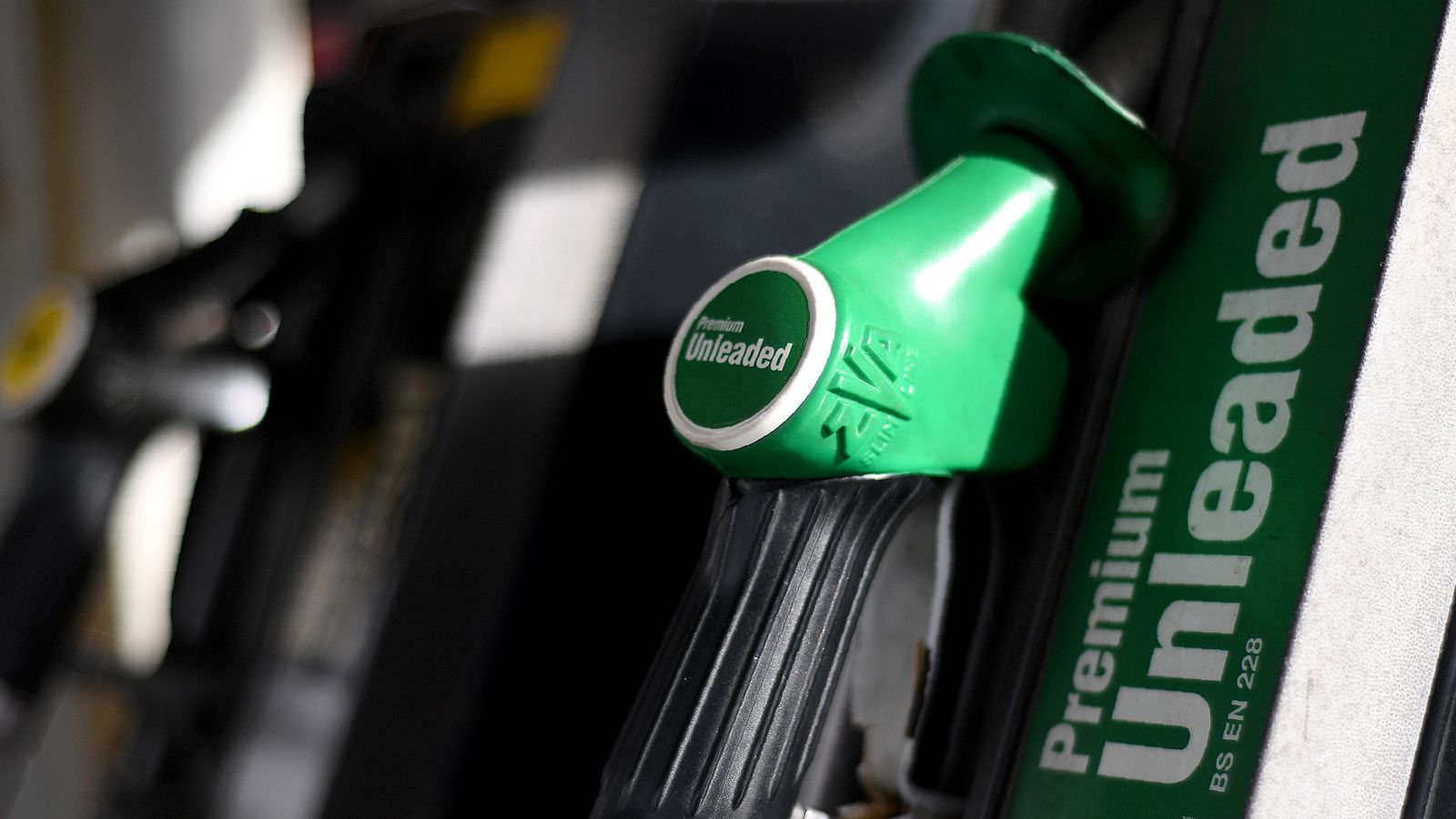
The number crunchers said the main downward contribution to inflation in May came from motor fuels following a record drop of almost 17% in costs at the pump – building on earlier falls in April due to a collapse in global oil prices.
It also charted continuing declines in clothing and energy prices – falling 3% and 7% respectively last month compared to a year earlier.
The ONS said that an alternative basket of goods it had created, which stripped out items not available during the lockdown, suggested the CPI rate would have been even lower at 0.4%.
Its deputy national statistician for economic statistics, Jonathan Athow, said: “The growth in consumer prices again slowed to the lowest annual rate in four years.
“The cost of games and toys fell back from last month’s rises while there was a continued drop in prices at the pump in May, following the huge crude price falls seen in recent months.
“Outside these areas, we are seeing few significant changes to the prices in the shops.”
The figures are the last major data set ahead of the next interest rate decision by the Bank of England’s monetary policy committee (MPC) on Thursday.
Its key mandate is an inflation target of 2% and there has been speculation it could set its core Bank rate at a negative level, for the first time in UK history, in a bid to help restore activity in the virus-ravaged economy.
It currently stands at 0.1%.
However, the Bank’s governor Andrew Bailey has recently spoken of signs the economy is coming back to life.
Yael Selfin, chief economist at KPMG, said: “(The) Bank of England’s MPC decision, which is due tomorrow, is expected to include some bolstering of its quantitative easing (QE) programme, as it attempts to provide additional support for the economy.
“More controversial measures, such as a move to negative interest rates, are likely to remain on hold for now.”
By
Source link