
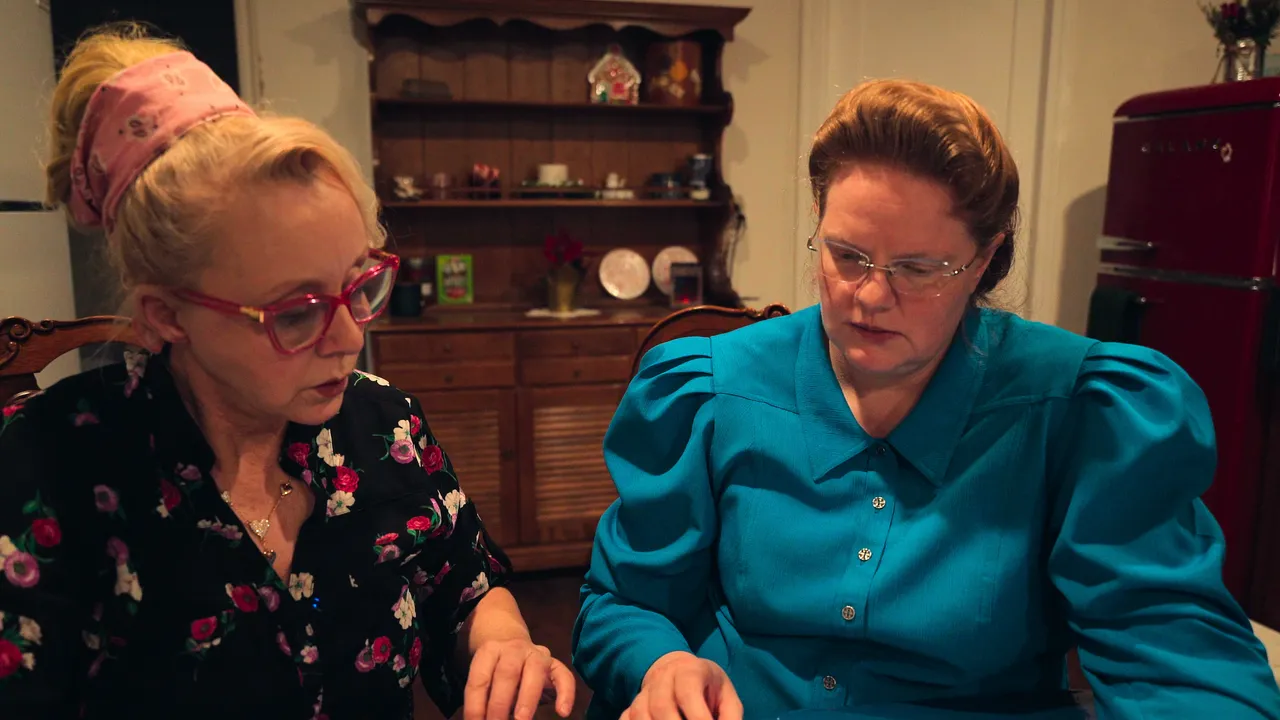
There’s another can’t-miss docuseries skyrocketing up the Netflix charts, and it’s a doozy. Trust Me: The False Prophet tells the story of a fundamentalist Mormon cult and what it took to bring its leader down.
First, some context. You may remember the name Warren Jeffs. In 2006, the leader of the Short Creek, Utah-based Fundamentalist Latter-Day Saints (FLDS) cult made the FBI’s Ten Most Wanted list after he fled arrest on accusations he had committed sex crimes.
After he was captured in 2006, Jeffs’s trial and subsequent conviction on two counts of sexual assault made national headlines; he is currently in prison serving a life sentence. Jeffs’s rise and fall were covered in the 2022 Netflix documentary Keep Sweet: Pray and Obey, which was worked on by some of the same filmmakers as Trust Me: The False Prophet.
Trust Me: The False Prophet is a four-part documentary exploring what happened to the FLDS cult members who remained and the man who stepped in to fill Jeffs’s role: Samuel Bateman.
If you’re like us and dying to know more, here’s what we’ve pieced together…
Who is Samuel Bateman?
Bateman was a member of the FLDS church during Jeffs’s time and declared himself the leader of an approximately 50-member faction of the group he created when Jeffs went to prison.
Bateman said he was a prophet and, according to the US Attorney’s Office in Arizona, embarked on a “years-long child sexual abuse conspiracy that spanned several states and victimized at least 10 children” before he was arrested in September of 2022.
Where is Samuel Bateman now?
In December 2024, Bateman was sentenced to 50 years in prison after pleading guilty to “conspiracy to transport a minor for criminal sexual activity and conspiracy to commit kidnapping.”
Why did Samuel Bateman allow himself to be interviewed by the filmmakers?
Filmmakers Tolga Katas and Christine Marie moved to Short Creek in 2016 and began filming their interactions with FLDS members who were in crisis following the absence of Jeffs. Marie was once a mainstream Mormon, and her own experience with a false “prophet” in her youth led her to research cult psychology once she emerged from the situation.
“When I got out of that, I spent a decade studying what the brain does that enables such irrationality to seem rational,” she told Tudum.
By Elizabeth Logan
Source link