
Following a visit to the dermatologist, you might be wondering how to apply tretinoin. The potent topical cream, which is prescription only, is effective at treating an array of skin concerns. However, there are a few things to keep in mind when incorporating it into your routine.
Your doctor may have already given you a few pointers, but in case you need a refresher—or even more pro tips—we asked board-certified dermatologists to explain the best ways to use tretinoin, how to minimize irritation and dryness, and more.
What is tretinoin?
Tretinoin is a prescription-only retinoid (vitamin-A derivative) that can help treat multiple skin care concerns, including acne, fine lines, uneven texture, and dark spots. Tretinoin is not to be confused with retinol, a milder, over-the-counter vitamin A derivative.
“Tretinoin is one of the most effective tools in dermatology for treating acne, fading dark spots, improving skin texture, and increasing collagen production in the skin,” says Aderonke Obayomi, MD, a board-certified dermatologist and assistant professor at Mount Sinai. It’s the most potent retinoid, with changes to skin typically following first use.
“Retinoids work by increasing collagen production as well as increasing the rate of skin cell turnover,” says New York dermatologist Shari Marchbein, MD. “They also help treat acne, blackheads, and clogged pores by reducing the stickiness of the cells that clog pores, as well as speeding up the rate at which the skin turns over and regenerates.”
How to apply tretinoin
“The key to success is starting low and slow,” says Dr. Obayomi. “Begin with the lowest concentration a few nights a week and apply to cleansed and completely dry skin.”
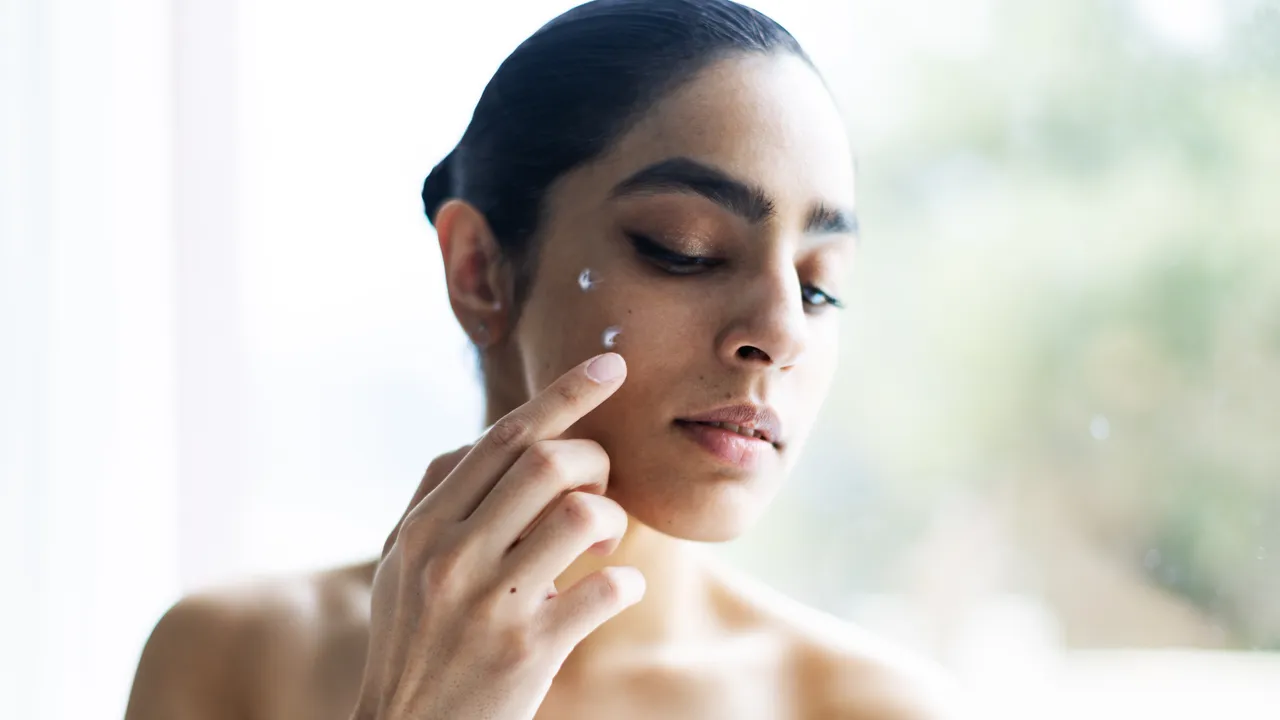
Do not use more than directed. To reiterate, tretinoin is a potent vitamin-A derivative, so your tolerance will build up over time. Dr. Obayomi recommends no more than a pea-size amount. To ensure full coverage, dot the pea-size amount around your whole face, then rub into skin until it’s fully absorbed.
“A pea-size amount on the tip of your index finger is all that you need for the entire face,” says Dr. Obayomi. “You should also be careful around sensitive areas like the corner of the eyes and corner of lips.”
What is the sandwich method for tretinoin?
To help ease irritation and dryness, Dr. Obayomi recommends using the sandwich method in your skin care routine, which places tretinoin between two cushion layers of moisturizer.
“First place a gentle moisturizer or petroleum jelly on your face as a barrier, then the tretinoin, followed by the moisturizer or petroleum on top,” Dr. Obayomi says. “This will help to minimize irritation.”
Irritation and breakouts are normal, so patience is key. “When starting tretinoin, it’s also important to remember there is an initial purge phase,” Dr. Obayomi says. “Any acne that may be hiding under the surface will come out. Most people see real results in 8 to 12 weeks.” In other words, it might get worse before it gets better.
It’s also crucial to apply face sunscreen, because tretinoin leaves your skin extra vulnerable to UV rays. “Ttretinoin can make you more sensitive to the sun,” Dr. Obayomi says. “So, as always, remember that sunscreen of at least SPF 30 should be used every single morning. This is a nonnegotiable.”
According to Rachel Nazarian, MD, a board-certified dermatologist at Schweiger Dermatology Group in New York City, guide for how much sunscreen to use is the two-fingers rule: According to the expert, you draw the sunscreen out on your index and middle finger (roughly about half a teaspoon; or, if easier, try for around a nickel-size amount.
By Ariana Yaptangco
Source link